Development
Construction and development finance in Australia
Construction and development projects need capital released against progress, not all at once. Here's how staged construction finance is structured, what a lender checks before each drawdown, and what it actually costs to run.
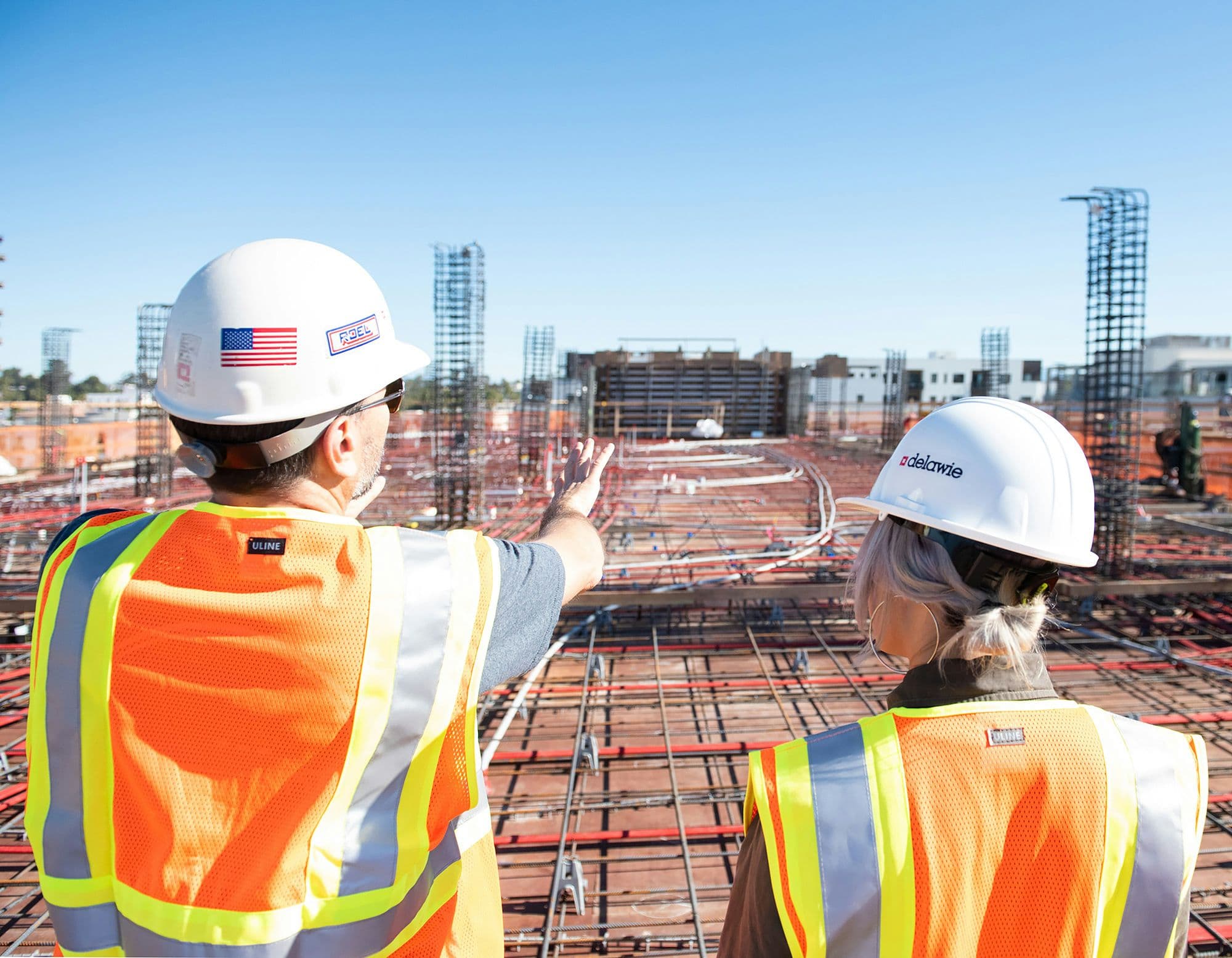
Development and construction projects don't need the full loan amount on day one - they need capital released in stages, as each phase of work is completed. Funding the whole amount upfront means paying interest on money sitting idle; a progressive drawdown facility charges interest only on what's actually been drawn.
What construction and development finance covers
The phrase covers a family of facilities rather than one product. What they share is that the security changes during the loan: a site becomes a building, and the lender's position improves or deteriorates with the progress of the work.
| Facility | What it funds | How it's drawn |
|---|---|---|
| Construction loan | The build itself, from slab to completion | In stages, against progress |
| Site acquisition | Buying the land before the build is funded | One amount at settlement |
| Renovation or fit-out facility | Works on an existing building | In stages, or one amount for a short scope |
| Residual stock loan | Completed units that haven't sold yet | One amount, repaid as units sell |
Alphacon Line is a construction and development facility of the first kind: capital released in stages, interest charged only on the drawn balance, and an option to capitalise interest during the build.
How a drawdown facility works
Rather than a single lump-sum settlement, the loan is released in tranches as the project reaches agreed milestones. On a typical build those are base or slab, frame, lock-up, fixing and practical completion, though a commercial fit-out or a staged renovation will have its own schedule. Before each release the lender confirms the work has been done, usually through a progress inspection or a quantity surveyor's report, and that the remaining facility still covers the cost to complete.
- Interest charged only on funds actually drawn, not the full approved amount
- Drawdowns released against project milestones rather than a fixed calendar
- Well suited to owner-builders and staged projects without a head contractor's fixed-price certainty
- A drawdown fee applies each time funds are released, on top of the standard facility costs
What a lender assesses before it commits
- The security - the land and any existing improvements, valued by a panel valuer
- The build budget - a costed scope, ideally a fixed-price contract, with a contingency for overruns
- Approvals - development consent and construction certificate, or the local equivalent, in place or close
- The builder - licensed, insured and able to finish the job
- The exit - a sale of the completed project, or a refinance once it's finished and income-producing
The question underneath all of these is cost to complete. A lender wants to know, at every stage, that the undrawn facility plus the borrower's own funds will finish the project. If the budget is thin, the contingency is missing, or the costs are running ahead of the work, that sum stops adding up - and drawdowns stop until it does.
The real saving in a drawdown facility isn't the rate - it's not paying interest on capital that's still sitting in the bank account.
What it costs beyond the headline rate
Alphacon Line is priced from 9.49% p.a., with a risk fee that applies alongside a $1,000 fee per drawdown - factor both into the total cost rather than comparing headline rates alone. Assessment runs on self-declaration and the security, a credit score isn't an approval criterion, and the facility lends from $200,000 to $10,000,000 to 75% LVR for a 6 to 24 month term that can be extended, on security in capital cities and select metro areas.
| Drawn in full at settlement | Drawn in four equal stages | |
|---|---|---|
| How it's drawn | $1,000,000 on day one | $250,000 at months 0, 3, 6 and 9 |
| Interest for the year | $94,900 | $59,313 |
| Drawdown fees | $1,000 | $4,000 |
| Interest and drawdown fees | $95,900 | $63,313 |
Staging the draws saves about $32,600 in this example. Establishment, management and risk fees apply to both and are left out so the comparison stays on the part that differs. The figures illustrate the method; they aren't a quote.
Capitalised interest, and why it needs a buffer
Many projects produce no income until they are finished, so interest is often capitalised - added to the loan balance rather than paid monthly. That keeps cash in the build, but it also means the balance grows with every month the project runs. A facility sized for a twelve-month build that takes sixteen can run out of room before practical completion. Size the limit for a realistic program, not the builder's best case.
Who this suits
Progressive drawdown finance fits owner-builders, small developers, and businesses running a staged project where the build timeline - not a fixed settlement date - is the main variable. It's a different problem to bridging finance, which assumes a single event will repay the loan; a drawdown facility assumes the loan itself tracks a project as it's built.
Testing the exit before the first draw
A construction facility is repaid when the project is finished - by selling what was built, or by refinancing it once it is complete and, for a commercial asset, leased. Both exits depend on things that happen after the loan is written: the market the project finishes into, the time it takes to sell or lease, and whether a long-term lender will take it on. A lender tests the exit by asking what the completed project is likely to be worth, how long a sale or refinance will realistically take, and what happens to the facility if that takes longer.
For a borrower, the practical step is to line up the exit early. If the plan is a refinance, speak to the refinancing lender before construction starts and find out what it will need to see at completion - a lease, a valuation, a period of trading. If the plan is a sale, get agent advice on pricing and timing now rather than at practical completion.
Preparing a construction submission
- The site address, title details and any existing mortgage
- The development approval and construction certificate, or where they are up to
- The building contract, or a costed scope with quotes if there is no head contractor
- The program - start date, stages and expected completion
- The contingency, and where extra funds would come from if it runs out
- The exit, with any agent, valuer or lender advice already in hand
A submission with these in place can be assessed quickly. The one that stalls is usually missing the budget detail - a single lump-sum figure with no breakdown gives a lender nothing to release drawdowns against.
What derails a construction facility
- Cost overruns with no contingency to absorb them
- A builder who stops work or fails mid-project
- Approvals that arrive later than the program assumed
- Variations agreed on site that the budget never saw
- An exit valuation that assumed a market the project finishes into
Common questions
- Does Alphacon fund construction and development?
- Yes, through Alphacon Line. Funds are released in stages against progress, interest is charged only on the drawn balance, and interest can be capitalised during the build.
- Can owner-builders use a construction facility?
- Yes. Alphacon Line suits owner-builders and staged projects, provided the budget, approvals and exit hold up.
- How many drawdowns can I have?
- As many as the project needs, but each release carries a $1,000 fee on Alphacon Line, so it pays to agree a sensible schedule rather than drawing in small amounts.
- What happens if the build runs late?
- Alphacon Line terms of 6 to 24 months can be extended, and metro residential facilities carry a built-in auto-roll. Raise a likely delay early - an extension is easier to arrange before the term ends than after.
- Where do you fund construction?
- Alphacon Line lends against security in capital cities and select metro areas.
Matched to the right project, a drawdown facility keeps financing costs tied to actual progress rather than the full loan amount from day one - which is usually the difference between a build that pencils out and one that doesn't.
Draw capital in stages, not all at once
Alphacon Line releases funds against your project's progress and charges interest only on what you've drawn - $200,000 to $10,000,000.
Explore Alphacon LineGeneral information only
This article is general in nature and does not take your circumstances into account. It is not financial or credit advice. Alphacon Capital writes business-purpose loans secured by property.